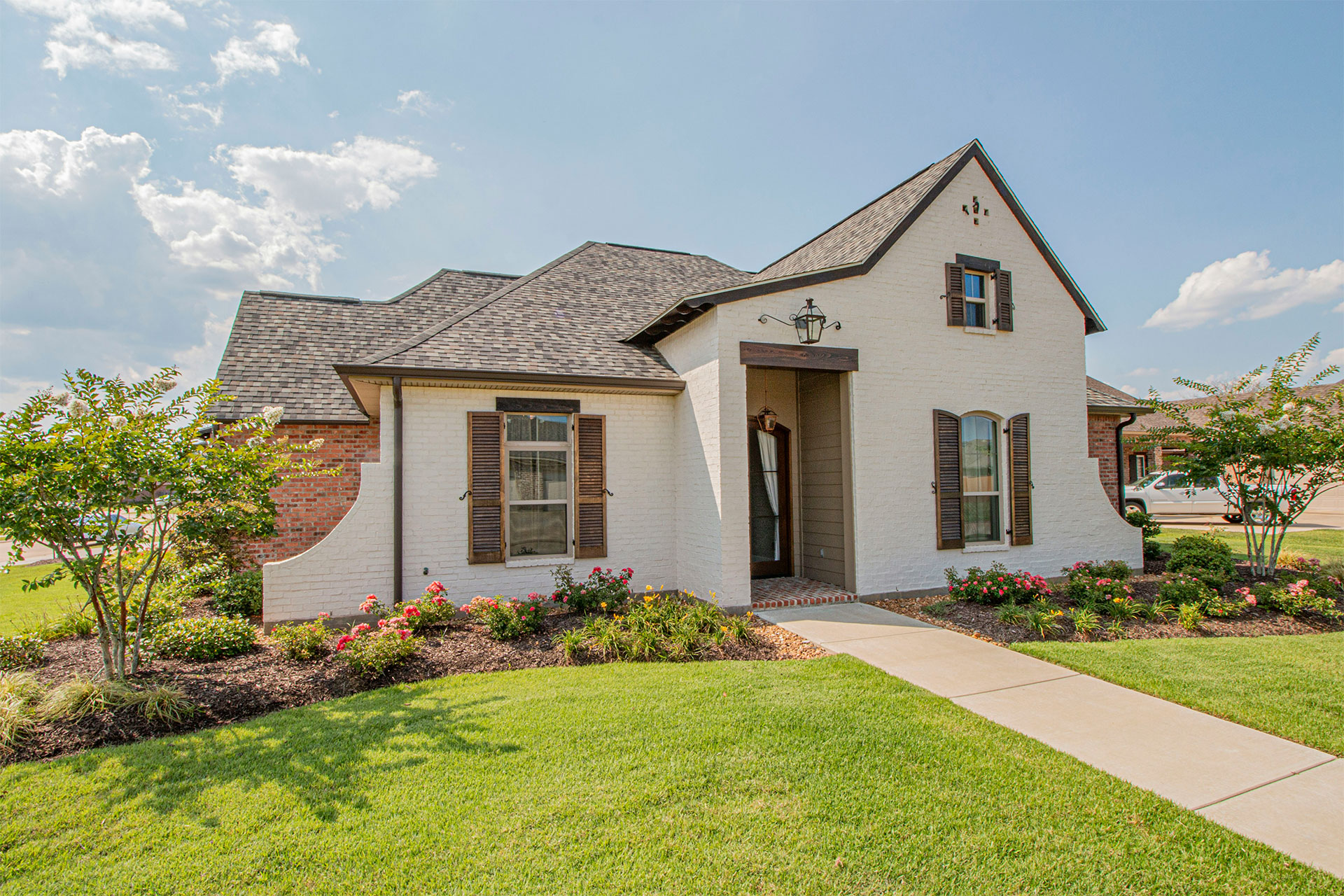

Picture a financed buyer whose interest rate cap was left blank. Rates rise before approval, the lender comes back at a higher rate, and the buyer has no financing out. If she can’t close, her deposit is at risk. All because of one empty line.
Section 8(b) of the Florida Realtors/Florida Bar AS IS and Standard residential contracts is where a financed buyer’s protections live. Every blank in that section is there for a reason. Leave one empty and the form fills it in with a default, and the default may not be what the buyer needs.
Here is what each blank does, plus the one deadline that matters most.
“Financing: Express as a dollar amount or percentage (‘Loan Amount’) see Paragraph 8 _______”
This blank sits up in the purchase price section, not in 8(b), but 8(b) points right back to it. Fill it in as a dollar amount ($400,000) or a percentage (80%). Leave it blank and the buyer may not be able to rely on the financing contingency at all.
“This Contract is contingent upon, within ________ (if left blank, then 30) days after Effective Date (‘Loan Approval Period’)”
The default is 30 days, and that is often not enough. Lenders tend to work toward the closing date, not an approval deadline in the contract. On a 60-day closing, a 30-day window can run out before approval is in hand.
A window of 45 to 50 days is more realistic.
“Buyer shall make application for Financing within _______ (if left blank, then 5) days after Effective Date”
This one is easy to miss because it sits below the main paragraph. If the buyer needs more than five days to apply, write in a number that works. The buyer also has to use good faith and diligent effort to get approved, which includes getting the lender everything it asks for on time and paying for the appraisal.
“Buyer obtaining approval of a conventional, FHA, VA, or other _____ (describe) mortgage loan … fixed, adjustable, fixed or adjustable rate”
Match this to what the buyer is actually pre-approved for. FHA and VA loans carry their own requirements. If the buyer is using either one, attach Rider E (FHA/VA Financing) with the offer.
“at an initial interest rate not to exceed _______% (if left blank, then prevailing rate based upon Buyer’s creditworthiness), and for a term of _______ (if left blank, then 30) years”
This is one of the most overlooked blanks on the form. Here is how it plays out:
• The loan officer quotes 6.5% when the offer is written.
• Rates rise, and the lender comes back at 7%.
• With a 6.5% cap in the contract, the buyer can cancel and get the deposit back, as long as written notice reaches the seller before the Loan Approval Period ends.
• With the blank empty, 7% is the prevailing rate for this buyer. That counts as approval, so there is no financing out, and the deposit is at risk if the buyer doesn’t close.
The loan term works the same way. Leave it blank and the form assumes a 30-year loan.
Every financed contract should have a rate cap.
“Buyer’s mortgage broker or lender having received an appraisal or alternative valuation of the Property satisfactory to lender, if either is required by lender, which is sufficient to meet the terms required for lender to provide Financing”
An approval that is still waiting on the appraisal is not Loan Approval under the contract. The appraisal has to come back and satisfy the lender first. That matters for timing, because a deal can look approved before it actually is.
Keep in mind this covers what the lender needs, not whether the price is right. Once the buyer confirms approval in writing, a low appraisal by itself won’t bring the deposit back. A buyer who wants a separate out tied to value needs Rider F (Appraisal Contingency).
Filling in the blanks only helps if the buyer acts in time. Before the Loan Approval Period ends, the buyer has to send the seller written notice: approved, confident approval is coming, or canceling. Miss that deadline and the contract moves forward as if it were a cash deal with no financing contingency, and the seller gets three days to cancel if they choose.
Section 8(b) is short, and filling it in completely takes a couple of minutes. Blanks left empty get the form’s defaults, and those defaults can cost a buyer the deposit or lock them into terms they never picked. Agents who treat every line as required are doing right by their clients.
If you have a financed deal and a question about closing timing, call us. We see these every day and are glad to help. For what the contract language means for a particular buyer, that is a question for the buyer’s real estate attorney.
OPUS TITLE | Your Trusted Title Partner on the Gulf Coast
General information about the Florida Realtors/Florida Bar residential contract forms, not legal advice for any particular transaction. Riders, addenda, and typed or handwritten terms control over the printed form.



Your Home, Your Future, Our Service